
When the temperature drops and your project or property needs reliable heat fast, the last thing you want is to waste time (and money) making the wrong call between renting or buying mobile heat. Whether you’re managing a construction site in winter, dealing with an unexpected outage, or prepping for an event in the cold, getting heat on demand is non-negotiable. But how do you know which option is right for you—renting or buying? Let’s break it down so you can keep things hot and hassle-free.
Know Your Needs Before You Decide
Before you even start comparing costs or calling suppliers, take a good look at what you need. Is this a one-time thing or a long-term requirement? Will you need the equipment only during specific seasons, or will it be in use all year round? If your heating needs are temporary or irregular, renting might be a more sensible option. Services from providers make it easy to get quick, dependable heating solutions without the hassle of long-term commitments. On the flip side, if you’re running regular operations in cold climates or managing multiple sites year-round, buying could save you a lot of cash in the long run. Understanding your timeline and scope will help narrow down your options quickly.
Cost Comparison: Rental vs. Ownership
Let’s talk money. Renting is going to have lower upfront costs. You pay as you go, and you’re not locked into anything. That makes it ideal for short-term jobs or emergencies. But if you keep renting month after month, those costs can sneak up and surpass what you would’ve spent buying the unit outright. Buying, on the other hand, means a bigger initial investment—but it’s yours. You’re not paying ongoing rental fees, and if you maintain the equipment well, you’ll get years of use out of it. Plus, there’s potential resale value down the line. The choice comes down to cash flow and how often you’ll be using the unit.
Maintenance and Support Considerations
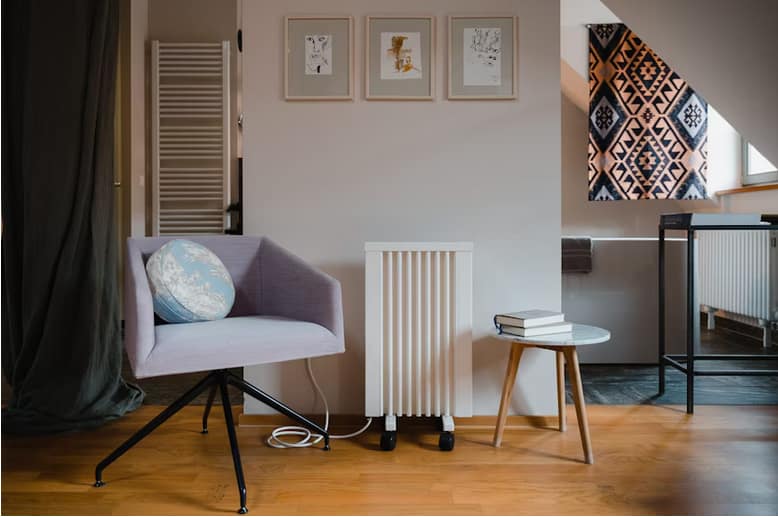
Here’s something people often overlook—maintenance. When you rent, support is usually part of the deal. If something breaks or doesn’t work, you make a call and it gets handled. That kind of peace of mind can be worth every penny. When you buy, all maintenance and repairs are on you. That means budgeting for upkeep and making sure your team knows how to handle it. For businesses that already have solid maintenance systems in place, that’s no big deal. But for others, it can become a headache fast.
Storage and Transport Logistics
Let’s say you buy mobile heat equipment—where are you putting it when it’s not in use? Storage is something people forget to factor into the decision. If you’ve got extra space and a way to keep it safe and dry, great. If not, renting saves you the trouble entirely. Transport is another thing. Some models are heavy, and bulky, and need special vehicles or trailers to move. Rental companies usually deliver and pick up, which takes that stress off your plate. If you buy, you’re adding logistics to your to-do list every time you need to use it.
Flexibility and Tech Upgrades
Technology in the mobile heating space is constantly evolving. Newer models are often more efficient, safer, and easier to use. When you rent, you often get access to the latest and greatest without paying for a full upgrade. Owning means you’re stuck with whatever model you buy unless you’re ready to sell and reinvest. If you value staying current and keeping energy costs low, that might tip the scales toward renting. Rentals also offer flexibility if your needs change unexpectedly—scaling up or down is way easier when you’re not tied to a purchase.
Whether you choose to rent or buy, the goal is the same: reliable heat when and where you need it. Take stock of your needs, budget, and long-term plans before jumping in. If you’re after flexibility, minimal hassle, and up-to-date equipment, renting may be your best bet. But if you’ve got predictable usage and room to store and maintain the gear, buying could be a smarter financial move.